
Foreigners in Iran
Journeys Through the Heart of Persia
Exploring Iran Through Foreign Eyes
Travelogues about Iran not only mirror their authors’ personal biases and historical contexts but also offer unique lenses for uncovering lesser-known aspects of Iranian culture. The podcast explores how these foreign accounts expose overlooked perspectives.
Reading such memoirs is not just enjoyable, but a way to understand stories and customs that might otherwise remain untold. Through traveller’s’ journeys across interactions with the Iranians, the reader gains insight sun available elsewhere, making these journals invaluable resources for discovering Iran’s unwritten history and forgotten traditions
Featured Episodes
Listen to how travel shapes understanding, and how Iran remains a source of fascination for generations.
1- Silk Road
2- Marco Polo in Iran
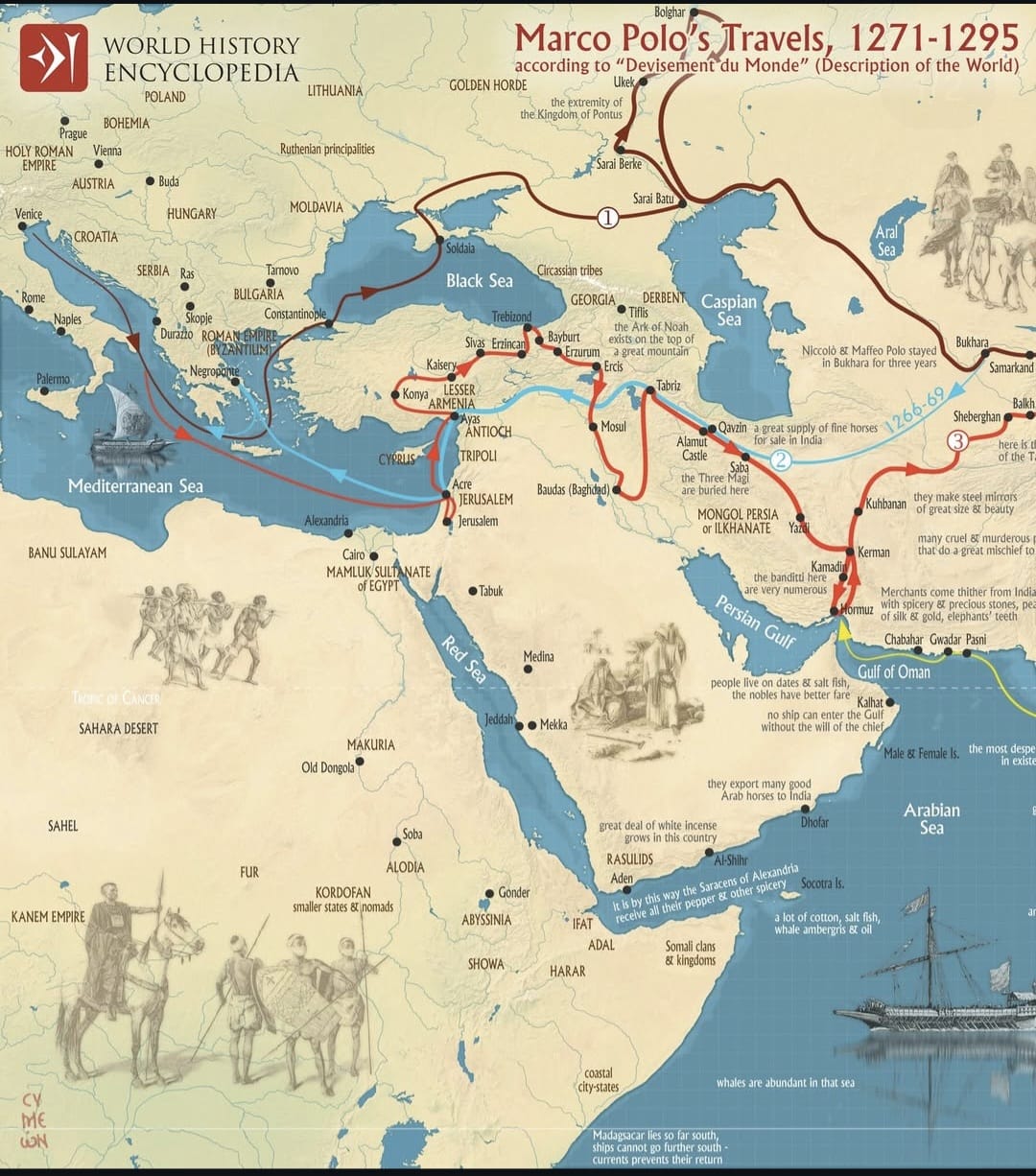
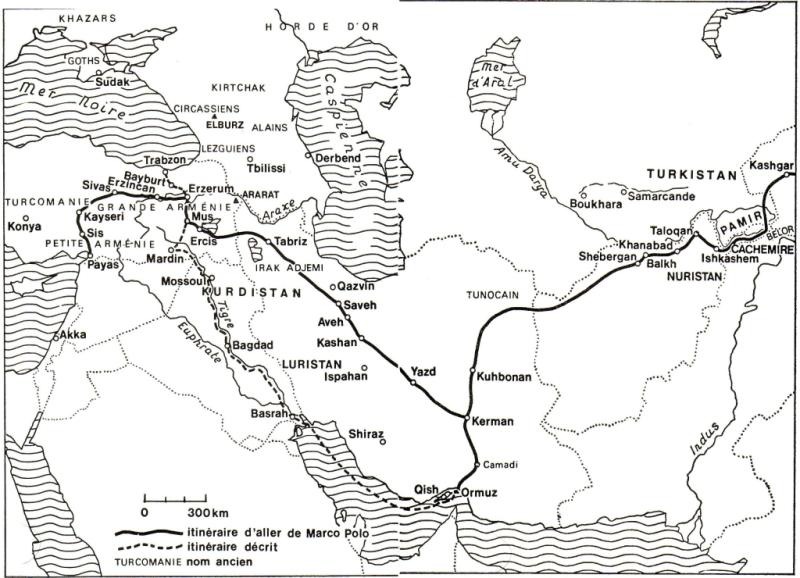
One of the most famous travellers of the ancient world, Marco Polo, accompanied by his father and uncle, who were Venetian merchants, embarked on a long journey from Venice to China. To reach China, he had to pass through Iran. A part of his famous travelogue, which is, of course, very short, is dedicated to Iran. After a few centuries, Alphonse Gabriel and his wife decided to follow in his footsteps and experience his journey in Iran.
Alphonse Gabriel came to Iran during the reign of Reza Shah Pahlavi. Along the way, Marco Polo tried to write about the differences over several centuries. The chosen travelogue is, in a sense, a journey in both time and space.
About the deserts of Iran, Gabriel said: “The desert will never leave the one who once falls under its spell.”
3- Histories
Herodotus, known as the father of historiography, lived in the 5th century BC. There is limited information about his life, aside from occasional notes he included in his writings. Historians and archaeologists have used his book, Histories, as a valuable resource for researching the Median and Achaemenid periods. I chose to read this book because I view Herodotus as a traveller who journeyed through the Iranian region during the Achaemenid era, reaching destinations such as Egypt and Greece. His accounts reflect the observations and stories he gathered during his travels.
Several translations of this book have been published, and three were available to me:
Dr. Hadi Hedayati’s translation from English, published in 1967 by the University of Tehran.
Ali Vahid Mazandarani’s translation from English, first edition in 1978 by the Persian Language Academy.
Morteza Saqibfar’s translation from French, published in 2007 by Asatir Publications.
Unfortunately, other translations were not available. Of the three translations accessible to me, the most reliable is certainly Dr. Hedayati’s six-volume version, which includes commentary and explanations. However, since Historles consists of nine volumes, I opted for the translation by Vahid Mazandarani.
In the first part of the podcast, we hosted Dr. Mehrdad Malekzadeh, a researcher and archaeologist, to discuss the importance of this book.
I encourage you to listen to this series of readings and discussions.
Continue the Journey
Explore more journeys of Iranians who have traveled westward.
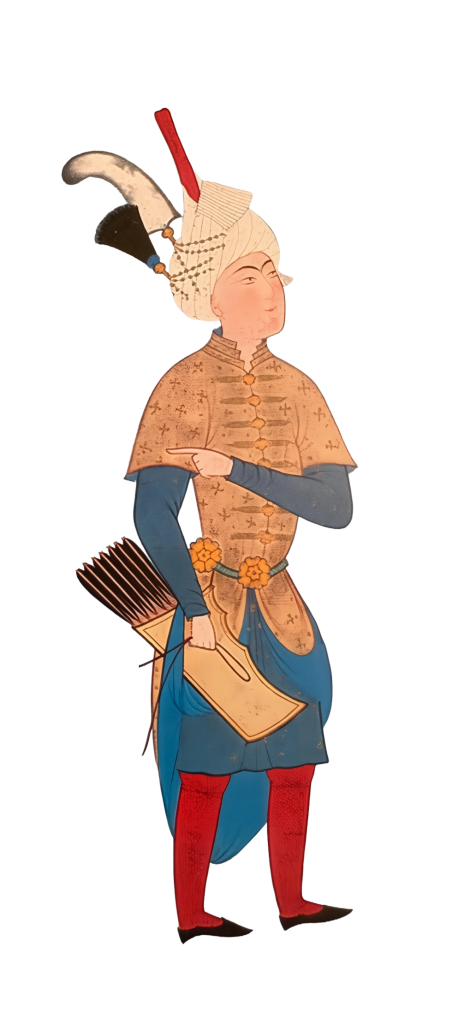
*Hero image includes details from Iranian miniature paintings in the Shahnameh of Shah Tahmasp (16th century), reproduced from publications by the Tehran Museum of Contemporary Art for educational purposes.